Commonly Misunderstood
pique
Computer-generated voice, not a recording. It may differ from the pronunciation guide.
IPA is the General American pronunciation listed by Wiktionary. Pique sounds the same as peak and peek.
In short
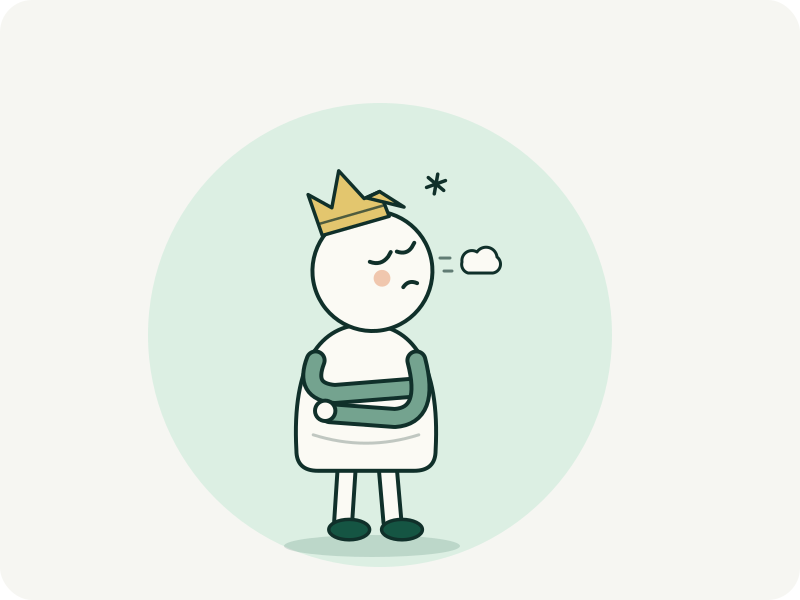
Pique is a flash of irritation after your pride is hurt. As a verb, it means to irritate someone, or to stir up a feeling such as curiosity.
You pique someone's interest. You do not "peak" it or "peek" it.
01 Meaning
What does pique mean?
Pique has two moods that seem opposite at first. As a noun it usually describes something sour: irritation or resentment after a social slight, as in a “fit of pique”. As a verb it covers both that sting and a more cheerful use, to excite or provoke an emotion, most often curiosity or interest.
What links them is the original idea of a prick. Something that pricks your pride makes you irritated, and something that pricks your curiosity makes you want to know more.
The verb can also be reflexive. To pique yourself on something means to take pride in it.
02 Word origin
Where does it come from?
English borrowed the verb from French piquer, "to prick or sting", and the noun from Middle French pique, "a quarrel or resentment". The deeper origin is uncertain; Wiktionary describes it as either imitative or from a Germanic root meaning "to knock, peck or prick".
03 In context
How to use it in a sentence
“She left the meeting in a fit of pique after her idea was ignored.”
“The strange label on the jar piqued his curiosity.”
Sources and updates
- pique, Cambridge Dictionary. Checked October 20, 2026.
- pique - Origin and history, Online Etymology Dictionary. Checked October 20, 2026.
- pique, Wiktionary. Checked October 19, 2026.
Definitions and examples are written in our own words from the sources above. Published . Updated .