sans
Computer-generated voice, not a recording. It may differ from the pronunciation guide.
In short
Sans means without, often with an old-fashioned or humorous tone in English. In typography, a sans can also be a sans-serif typeface, whose letterforms lack finishing strokes called serifs.
The everyday preposition and the typography noun are related uses, but they have different grammatical roles.
What does sans mean?
Sans in everyday English
As a preposition, sans means without. It often gives a sentence an old-fashioned or deliberately playful tone. It is less neutral than simply writing without.
Sans in typography
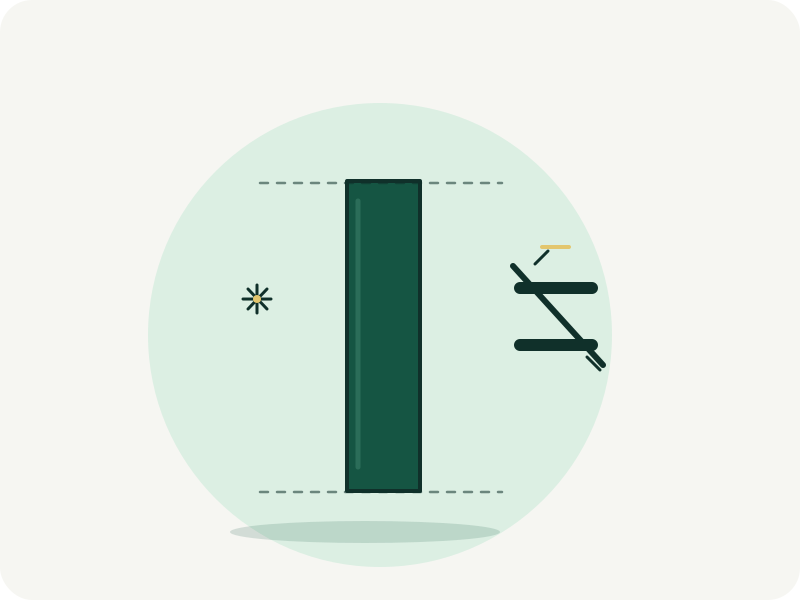
A sans-serif typeface has no serifs: the short finishing strokes found on letters in serif typefaces. In typography, a sans can be a shortened name for a sans-serif typeface.
Arial is an example of a sans-serif typeface. The name Gothic, however, can mean either blackletter or sans-serif lettering in different typographic traditions. A font name needs context; Gothic does not always mean ornate letters.
Is sans an English word or a French word?
It is French in origin and is also recorded as an English word. In an English sentence, its English pronunciation and use should be explained from an English dictionary rather than assumed from modern French.
Where does it come from?
Sans entered English through French, with a history leading back to Latin sine, meaning without. In sans-serif, it combines with serif to mean without serifs. Sans later became a short form of the typography term. Sources differ on the earliest date of that shortened noun, so none is asserted here.
How to use it in a sentence
“We enjoyed a quiet evening, sans phones.”
“The designer chose a sans for the navigation labels.”
Sources and updates
- sans, Cambridge Dictionary. Checked October 28, 2026.
- Sans Definition & Meaning, Merriam-Webster. Checked October 28, 2026.
- Gothic Definition & Meaning, Merriam-Webster. Checked October 29, 2026.
- Sans - Etymology, Origin & Meaning, Online Etymology Dictionary. Checked October 28, 2026.
Definitions and examples are written in our own words from the sources above. Published . Updated .